Rider sponsorship: marketing for equestrian brands
Rider sponsorship, ambassador programmes, product testing and B2B collaboration for equestrian brands. Find out how to reach riders who actually buy.
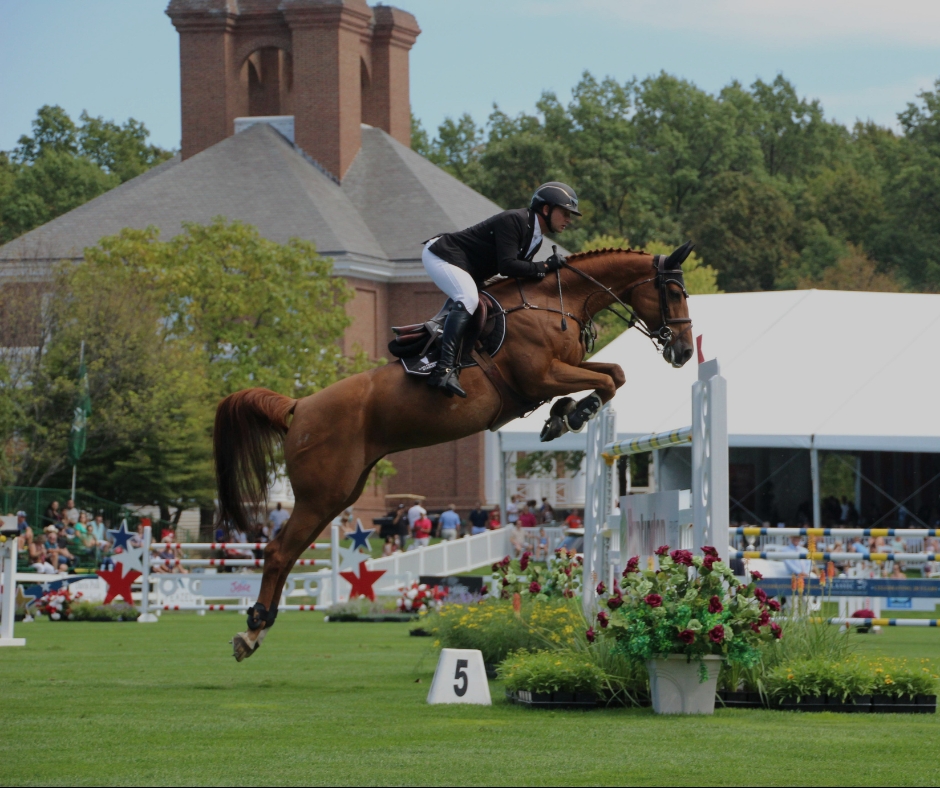
For most equestrian product brands, rider sponsorship is the most effective marketing channel and at the same time the one most often done badly. The brand sends a rider a product, gets two photos on Instagram, quietly ends the collaboration after a year and concludes that “influencers don’t work”.
The problem is not the channel. It is that the equestrian market behaves differently from an ordinary consumer segment: it is small, closed, extremely reference-driven and buys in cycles that last years. Whoever adapts the form of collaboration to this gains loyalty that cannot be bought elsewhere in e-commerce. Whoever does not pays for reach without effect.
This piece explains how sponsorship, product testing and content marketing work in the equestrian segment, including contract details, budget ranges and the metrics used to evaluate a collaboration.
Why classic advertising does not work in the equestrian segment
The market is small, closed and runs on recommendations
The equestrian community in Slovakia and the Czech Republic numbers in the tens of thousands, not millions. Most of its members know each other through stables, competitions and clubs. This has two consequences:
- Performance advertising has a limited ceiling. The audience is exhausted before the campaign can scale, and frequency shoots up.
- Reputation spreads faster than advertising. One negative experience in a stable of twenty riders reaches exactly the people you would otherwise pay to reach.
The purchase cycle lasts years, not days
| Product | Typical lifespan | Implication for marketing |
|---|---|---|
| Helmet | 3–5 years | a heavily researched decision, emphasis on safety |
| Saddle | 5–10 years | the highest purchase value, an expert’s recommendation decides |
| Boots | 2–4 years | the option to try them on matters |
| Breeches, clothing | 1–2 years | repeat purchase, room for brand loyalty |
| Rugs, accessories | 3–5 years | purchase based on specifications and reviews |
With products on such a cycle, optimising for immediate conversion makes no sense. The goal is to be present at the moment the rider decides, and that moment comes once every few years. That is why long-term visibility through people the community trusts wins.
The person who pays often does not decide
With children and beginners, the largest entry group in the market, the parent pays but the trainer recommends. The trainer says which helmet to buy, which half chaps are fine and what is unnecessary. Trainers and stables are the real gatekeepers in the equestrian segment, and most brands do not communicate with them at all.
Four models of collaboration between a brand and the equestrian world
| Model | Primary goal | Format | Horizon | How it is measured |
|---|---|---|---|---|
| Sponsorship and ambassador programme | building brand and credibility | long-term collaboration with a rider | 6–24 months | reach, promo codes, brand search |
| Product testing | product validation and proof content | a managed test in real use | 4–12 weeks | reports, UGC, R&D data |
| Content and SEO marketing | organic visibility for purchase searches | articles, product guides, video | 3–12 months | rankings, traffic, assisted conversions |
| B2B distribution | sales through stables, clubs and schools | wholesale, test fleet | ongoing | sell-through, number of partners |
The strongest effect comes from combining them: the ambassador creates trust, testing provides proof, content captures demand and distribution turns it into sales.
How to build an ambassador programme and rider sponsorship without waste
Choosing a rider: relevance beats reach
Rider sponsorship most often breaks down right at the start, when choosing the person. A rider with 3,000 followers who trains in a stable with 40 clients and teaches children influences more real purchases than an account with 60,000 followers where riding is just an aesthetic backdrop. When choosing, look at:
- Discipline and level: it must match the product’s positioning. A dressage rider does not move a show jumping saddle.
- Overlap with your target group: if you sell kit for beginners, you need someone who works with them every day.
- Authentic use: do they ride in it off camera too?
- Consistency of output: three posts a month for two years are worth more than twenty in a week followed by silence.
- Welfare reputation: in equestrian sport, the treatment of the animal is the fastest route to a reputational crisis for the brand.
What must be in the contract
Most unsuccessful collaborations fail because nobody defined the expectations. Cover at least:
- Scope of deliverables: a specific number of posts, videos and photos per period, not “as time allows”.
- Content rights: a licence to use the photos and videos in your channels, including paid advertising, and for how long.
- Exclusivity: in which category and with what territorial scope. Exclusivity raises the price, so only ask for it where you really need it.
- Disclosure of the partnership: mandatory under platform rules and consumer law. Do not push ambassadors towards hidden advertising.
- Term and termination: including the notice period and the procedure in case of a reputational incident.
- Handling of the product: does it stay with the rider, is it returned, or is it a loan?
Compensation models
| Model | When to use | Risk |
|---|---|---|
| Barter (product for content) | entry into a collaboration, smaller reach | low commitment, variable quality |
| Fixed monthly fee | long-term ambassador | you pay in months without results too |
| Fixed fee + performance component | proven collaboration | requires working measurement |
| Affiliate / promo code | e-shop with direct sales | undervalues the contribution for expensive goods with a long cycle |
For products with a long decision cycle, never base the entire fee on a promo code. A rider who influences the purchase of a €2,000 saddle today will see the result in six months.
How to measure the return
- A unique promo code for each ambassador: not to attribute the whole effect, but to compare ambassadors with each other.
- UTM parameters in bio links and story links.
- Brand search lift: growth in searches for the brand name in Google Trends and Search Console is the most honest indicator of awareness building.
- Comparison with CPM: divide the cost of the collaboration by its real reach and compare it with the price of paid advertising in the segment. If it comes out cheaper and you get content on top, the collaboration pays off even without direct sales.
- The value of the content created: work out what it would cost to shoot the same amount of material professionally. This is the most underestimated item in the whole budget.
Testing equestrian products in real use
A field test versus a marketing review
Brands confuse these two things, although they serve different purposes:
- A field test serves R&D. It cares about what breaks, where the product rubs, how it copes with sweat, mud, washing and frost.
- A marketing review serves sales. It creates the proof content that customers look for before buying.
One well-designed test can serve both, but only if the methodology is defined in advance.
What a usable methodology looks like
- Define the load: hours in the saddle, type of terrain, washing frequency, number of riders.
- Ensure variety: different builds, levels, types of horses. A product tested on one person tells you nothing.
- Set the length: at least 6 to 8 weeks for clothing and rider equipment, longer for horse equipment.
- Document continuously: not one verdict at the end, but photos of wear over time.
- Collect structured feedback: the same questions for all testers so the answers can be compared.
Why critical feedback is more valuable than praise
A review without a single reservation does not sell; the community reads it as paid. On the other hand, a comment like “the grip is excellent, but I would look at the calf zip after a season” increases the credibility of the whole piece and gives you concrete input for the next collection. Brands that hear this kind of information before the market does save more on returns than they spend on testing.
Content and SEO marketing for equestrian brands
An ambassador builds trust, but customers still check the product themselves on Google before buying. With more expensive equestrian goods the research is long and thorough, which makes content and SEO the brand’s most durable asset. Unlike sponsorship, which runs only as long as you pay, a well-ranked article brings in demand for years.
Three types of content work:
- Buying guides: “how to choose a first saddle”, “how to measure for a helmet”. They target consideration searches and present the product at the moment of decision.
- Comparisons and specifications: factual overviews that customers look for to reassure themselves before spending.
- Proof content from testing: results of field tests in the form of articles and videos.
The combination with ambassadors is natural: the rider creates an authentic experience and the brand turns it into searchable content. How we build that connection is also shown in our case studies and our approach to equestrian marketing.
Budget ranges: what to realistically expect
These are not prices but indicative ranges by scope that help set expectations:
| Level | What it usually includes | Suitable for |
|---|---|---|
| Entry | 1–2 micro-ambassadors, barter, basic content | testing the channel, local reach |
| Medium | ambassador team, managed testing, content plan | established brands looking to grow |
| Higher | several riders, event sponsorship, SEO and performance campaigns | category leaders and distributors |
The basic rule: one well-managed ambassador and one honest test are better than five random collaborations without methodology or measurement.
When you can handle the collaboration in-house and when a specialist pays off
You can manage choosing riders from your area, a basic agreement and ongoing communication yourself. A specialist makes sense where mistakes cost money and time: drafting contracts and exclusivity, setting up measurement and attribution, testing methodology and creating SEO content that should end in a sale, not just a read.
At Equilabz we handle exactly this connection, from choosing ambassadors through testing methodology to content and campaigns. An overview of what we help with can be found among our services.
Frequently asked questions
How do I choose the right rider for sponsorship?
Relevance decides, not the number of followers: a match of discipline and level with the product’s positioning, overlap with your target group, authentic use, consistency of output and a clean welfare reputation.
How much does rider sponsorship cost?
Anything from barter (product for content) to fixed monthly fees with a performance component. Reach, scope of deliverables and exclusivity decide. For more expensive goods with a long purchase cycle we do not recommend basing the whole fee on a promo code.
How do I measure the return on a collaboration?
By combining unique promo codes, UTM parameters, tracking brand search growth, comparison with the price of paid advertising (CPM) and the value of the content created. With a long decision cycle, immediate sales must not be the only measure.
Is product testing worth it if we do not have a large budget?
Yes. Even a smaller but methodically run test with a few riders delivers both R&D data and proof content. One honest test is worth more than five random product mentions without structure.
Let’s work together
If you sell equestrian products and want to reach riders who actually buy, not just collect likes, we will prepare a sponsorship, testing and content strategy tailored to the equestrian market. Get in touch and we will discuss where your brand has the greatest untapped potential.
Sources
- Slov-Lex (Ministerstvo spravodlivosti SR): Zákon č. 108/2024 Z. z. o ochrane spotrebiteľa a o zmene a doplnení niektorých zákonov, Príloha č. 1, bod 11, slov-lex.sk
- Slov-Lex (Ministerstvo spravodlivosti SR): Zákon č. 185/2015 Z. z. Autorský zákon, § 67 Rozsah licencie, slov-lex.sk
- Slovenská jazdecká federácia: Výročná správa 2024, registeruz.sk
- European Commission: Influencer Legal Hub, commission.europa.eu
- Meta: Branded Content Policies, facebook.com
- IAB Slovakia a ADMA: Kódex influencer marketingu (konsolidované znenie účinné od 25 Jan 2024), kodexinfluencermarketingu.sk
- Google: URL builders: Collect campaign data with custom URLs (Google Analytics Help), support.google.com
- Google: Performance report (Search results): Overview and basic setup (Search Console Help), support.google.com
- Google: FAQ about Google Trends data (Trends Help), support.google.com
- Charles Owen: Replacement headbands for riding hats, charlesowen.com
Dealing with a similar topic in your brand?
The first consultation is non-binding and concrete. Book 30 minutes or write to us at romana@equilabz.com.